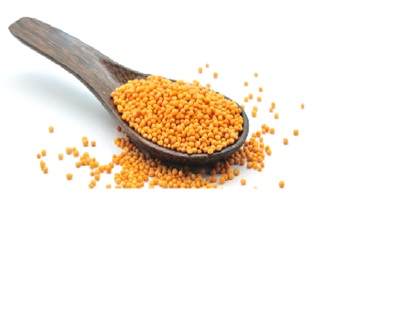
Mustard seeds come from three species of the Brassica family and are one of the world’s most widely used spices. Understanding the difference between varieties — and the remarkable flavor transformation that occurs depending on how you use them — unlocks one of cooking’s most versatile ingredients.
The Three Types
Yellow/White Mustard Seeds (Sinapis alba) — the mildest variety, used in American yellow mustard and pickling spice blends. Large, pale yellow seeds with a gentle heat that dissipates quickly.
Brown Mustard Seeds (Brassica juncea) — the most common variety used in Indian cooking and European whole-grain mustards. More pungent than yellow with a sharper, more lasting heat.
Black Mustard Seeds (Brassica nigra) — the most pungent of the three, small and very dark. Predominantly used in South Indian cooking.
The Flavor Transformation
Raw mustard seeds are pungent but relatively mellow. The heat in mustard comes from a reaction between myrosinase enzymes and glucosinolate compounds — a reaction triggered by water and bruising. Grinding dry mustard seeds produces little pungency; adding cold water to ground mustard produces maximum heat. Heat destroys myrosinase and stops the reaction — this is why mustard seeds popped in hot oil (tarka) taste nutty and mild rather than sharp.
Uses
- Indian tarka/tadka — pop whole mustard seeds in hot oil at the start of cooking; they’ll sputter and pop, becoming nutty and aromatic
- Pickling — whole seeds in every jar of pickles, relish, and chutney
- Mustard making — grind seeds with vinegar, water, and seasonings
- Spice blends — pickling spice, Old Bay, curry powder