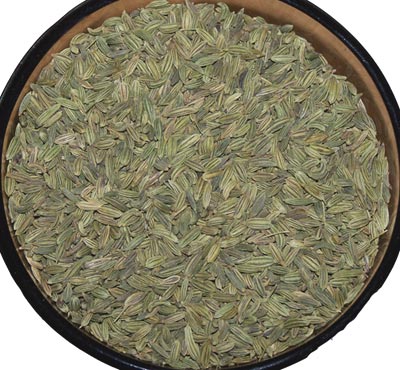
Fennel seeds are the dried fruits of Foeniculum vulgare, a plant native to the Mediterranean and widely cultivated across Europe, Asia, and the Americas. They are one of the most versatile seeds in the spice rack — equally at home in Italian sausage, Indian spice blends, Scandinavian rye bread, and Chinese five-spice.
Flavor Profile
Sweet, warm, and distinctly anise-like — but rounder and less sharp than star anise or actual anise seed. Toasting fennel seeds brings out a deeper, nuttier quality while softening the raw licorice edge. Chewing a few raw fennel seeds leaves a cooling, freshening sensation — this is why they’re served as mouth fresheners (mukhwas) after meals in Indian restaurants.
Fennel Seed vs. Anise Seed
Both contain anethole (the primary anise flavor compound) but fennel seeds are larger, greener-tinged, and sweeter; anise seeds are smaller, darker, and sharper. They can often be substituted for each other, but fennel is typically more mellow.
Essential Uses
Italian cooking:
- Italian sausage — fennel seed is the defining flavor; without it, it’s just pork sausage
- Porchetta — the Roman herb-crusted pork roast always includes fennel
- Tomato sauce — a pinch of fennel in marinara adds remarkable depth
Indian cooking:
- Panch phoron — the Bengali five-spice blend (fennel, fenugreek, nigella, cumin, mustard)
- Chai masala — fennel contributes sweetness to spiced tea blends
- Mukhwas — roasted, sugar-coated fennel seeds served as a digestive
Baking:
- Rye bread and cracker bread — common in Scandinavian and German baking
- Biscotti — traditional anise biscotti often use fennel seeds
- Sausage rolls and meat pies
Other:
- Pickling brines — excellent with cucumber, beets, and fish
- Chinese five-spice powder — one of the five core ingredients